


Workplace psychosocial hazards are situations that cause anxiety and stress and can damage the mental health of workers. Major hazards such as isolated work or sexual harassment carry the risk of serious harm to workers. Other psychosocial hazards include bullying, unfair treatment, dysfunctional work relationships and poor environments which all put workers at risk of health and safety. As a person conducting a business or undertaking (PCBU), you must see that no worker is put in harm at work. To do this you need to put controls in place for all hazards and risks a worker might encounter during their day.
Risk assessment
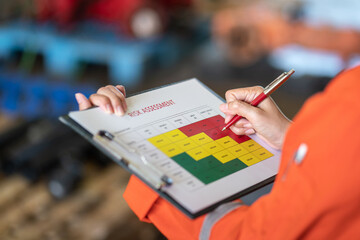
It is more difficult to identify hazards that may cause mental harm than an obvious hazard such as a broken rail or a slippery floor. You or your workers can receive psychological harm from a failure of leadership, unsuitable environmental settings or poor procedures and policy. Your can’t pick up bullying or sexual harrassment by a tour of the factory. You don’t want to find out the existence of psychological hazards only after they are reported.
To reduce the risk of harm from psychosocial hazards you need to put risk controls in place before they occur. A solid risk assessment and gap analysis, performed by a WHS specialist such as the experts from WHS Consulting will ensure you are covered for all risk and hazards.
Risk assessments follow a standard process:
1. Identify hazards
2. Assess risks
3. Control risks
4. Review hazards and control measures to ensure they are working as planned.
Once hazards are identified, it is time to consult with staff to develop the best risk controls. Professional WHS officers from WHS Consulting can help smooth the process to get the best risk controls in place.
Risk management for psychosocial hazards
To find the best risk controls to put in place, consulting your workers is the first step. Worker input is valuable as your employees have inside knowledge of how hazards and risks affect them at work. Psychosocial hazards can be present in any part of the company and risk controls should be implemented for each area of risk. Here are some idea to keep the different parts of your business safe for workers.

Environment
The design of your workplace may be making your workers feel uncomfortable or harassed.
So your workers have a stress free environment, try these tips:
- Ergonomically designed furniture, a steady temperature and good lighting.
- Give workers have their own permanent space where they can put personal items like photos and plants.
- If your workers sleep and eat on the job, make sure the accommodation has locks, good air ventilation and footpaths are well lit. All areas should have two exits for safety.
- Communication with home is important to stop workers feeling alone and isolated. Wi-fi in rooms is important.
- Keep people busy and connected with sports and other activities.
Tasks and duties

Poor job clarity, unrealistic expectations and tools that are wrong for the job can all harm the mental health of your workers. Workers should feel valued and able to perform their jobs well. Make sure that you keep your staff healthy with some of these ideas:
- Give your workers the best tools and make sure they know how to use them.
- Give staff clear instructions such as written briefs, how-to-guides or videos.
- Be realistic with time expectations and make allowance for trainees and those with disabilities.
- Provide ongoing training to all workers.
- Have enough workers for the job including cover for absentees.
Physical health

Poor physical health can lead to psychosocial harm. Fatigue, bad diet, lack of exercise and too much alcohol (and other drugs) can all create mental health problems. You can help promote good health at work with these tips:
- Work shifts that allow for exercise.
- Access to nutritious food.
- A limit to morning teas. Some workplaces have a monthly morning tea to cover all birthdays and other commemorations.
- Restricted or no alcohol consumption.
- A lunch room or eating space available to all workers.
Safe Work Australia and WorkSafe WA have developed Codes of practice to help identify psychological hazards. WHS Consulting can provide advice on suitable risk controls for your business, and help you develop and implement risk management strategies.
For more information on how WHS Consulting can help you address psychosocial hazards in your workplace, contact us now for a free visit.