
Keeping your workplace free of psychosocial and physical hazards is a great way to improve productivity. Investigations such as the Enough is Enough report has highlighted the problem of sexual harassment in the mining industry bringing a greater focus on mental health. However, with all the attention on controlling psychosocial hazards, managers should not neglect the physical hazards that present severe risk to workers.
A person conducting a business or undertaking (PCBU) must ensure that workers are not put in harm during the course of their duties. This includes putting controls in place for all hazards and risks encountered during a worker’s day, not just psychosocial risks.
What are psychosocial hazards?

Psychosocial hazards are conditions that cause anxiety, stress and other forms of psychological harm to workers. Poor relationships and social interactions at work, being excluded and toxic gossiping are a catalyst for psychosocial hazards. People also experience psychosocial harm from aggressive behaviour, bullying and sexual harassment, and isolated work.
WorkSafe WA has identified a range of hazards in the workplace that create a risk of psychosocial harm. These include:
- job demands
- low job control
- poor support
- lack of role clarity
- workplace bullying
- violence
- isolation
- harassment including sexual harassment
- poor change management
- aggression
- conflict or poor workplace relationships and interactions
- poor physical environment
- poor organisational justice
- traumatic events or material
These conditions can cause your workers stress, anxiety, lack of sleep and even physical harm.
What are physical hazards?

Physical hazards include anything that can cause harm to your workers or your equipment. Hazards to workers come in the shape of slips and trips, falling objects, or vehicle accidents. High risk hazards are specifically defined in the Work Health and Safety Regulations 2022 (WHS Regulations) – these are jobs that involve high levels of danger such as working at height.
Physical hazards come from:
- noise
- manual tasks
- confined spaces
- demolition work
- interactions between vehicles and vehicles and pedestrians
- driving
- diving
- chemicals
- construction work
- lead, asbestos and hazardous chemicals.
Physical hazards cause serious injury, harm and death across workplaces in Australia.
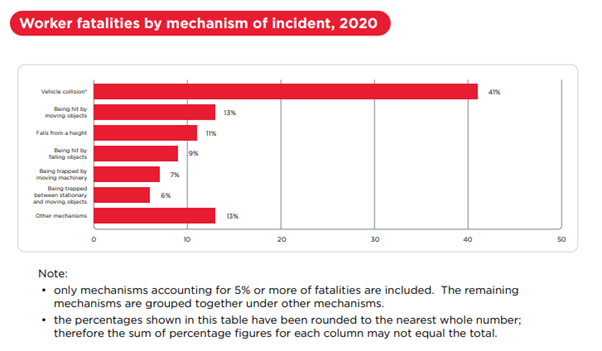
Table 1. Work-related injury fatalities (Safe Work Australia 2021)
How can health and safety issues affect productivity?
Psychosocial hazards

Providing a safe and healthy working environment is not just good for your workers. Companies that implement adequate controls for psychological hazards experience lower staff turnover and better staff morale leading to higher productivity.
Workers that are under stress through bullying behaviours often find it difficult to concentrate or perform at optimal levels. An environment that impedes quality output and limits staff motivation is going to affect staff output.
For any company relying on sales or regular output like mining, a demoralized workforce will have a profoundly negative effect. Workers may respond to psychosocial hazards by increasing sick days, withdrawing from engagement with colleagues and reducing their work output. They may even draw other workers into the conflict, fomenting an already toxic environment.
Employees may see the only solution to a toxic workforce is to leave the company. Once workers start leaving en-masse, your company will lose knowledge and productivity will plummet. The cost of employing and training up new staff, added to the loss of valuable employees, can be considerable.
Physical hazards
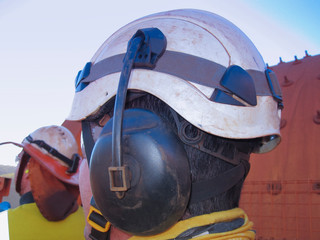
Accidents and incidents that harm or otherwise affect the safety of workers can lower production on a worksite. WHS incidents must be reported to WorkSafe. Serious incidents including near-miss situations may lead to a closure of the incident site and investigations by WorkSafe investigators. WorkSafe may also issue heavy fines for incidents that occur as a result of poor risk control.
Loss of workers through injury and the time required for reporting and investigating all hold up production on the worksite. Companies can also receive reputational damage.
A company that has a high rate of workplace incidents will find it difficult to retain and find workers. A poor health and safety culture creates a toxic atmosphere, an unhappy workplace and low productivity across the company.
Engaging reliable experts such as WHS Consulting Perth who are familiar with all types of industrial environments including mining, helps ensure your workplace meets WorkSafe requirements and provides workers with a safe environment to perform their tasks.
How risk assessment and controls reduce psychosocial and physical hazards.
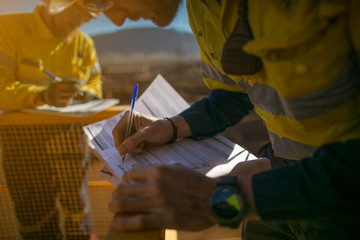
Motivated and safe workers are essential to the smooth running of any company and worksite. Keeping your workplace free of hazards, both psychosocial and physical, is vital for a highly functional and productive business.
Caring for one aspect of safety should not lead to neglect of other health and safety risks in your business. You should ensure that risk assessments and controls continue to be conducted and put in place for identified hazards in all areas of the business.
WHS hazards and risks can be identified with a thorough risk assessment. For every task that is to be performed, a risk assessment will identify potential hazards and the risks they present. A WHS Consulting consultant can help implement controls and will perform regular follow-ups to keep your work environment free of both psychosocial and physical hazards at all times.
Risk assessments
Risk assessments are performed most effectively and thoroughly by trained experts such as WHS Consulting. A risk assessment may begin with a gap analysis, then follow up with JSEAs and SWMs designed for each workplace task.
All risk assessments should follow the WorkSafe guidelines found in the Code of practice: How to manage work health and safety risks. The process should follow a standard procedure as outlined in the Code:
1. Identify hazards – find out what could cause harm.
2. Assess risks, if necessary – understand the nature of the harm that could be caused by the hazard, how serious the harm could be and the likelihood of it happening. This step may not be necessary if you are dealing with a known risk with known controls.
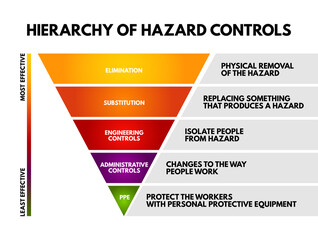
3. Control risks – implement the most effective control measure that is reasonably practicable in the circumstances and ensure it remains effective over time.
4. Review hazards and control measures to ensure they are working as planned.
Work health and safety consultants from WHS Consulting can identify the best type of risk control for the hazard. Risk controls should be appropriate to the hazard and risk level, specific to the worksite and reviewed regularly to ensure they are working as intended. Some risk controls for very high risk hazards are prescribed by WorkSafe and need to be implemented as regulated.
WHS Consulting offers these services across Australia, providing a full analysis of any risks present in your operation. Keep your workforce at peak production by operating in a safe and healthy environment. Contact the experts at WHS Consulting to see how they can work with you to provide a strong and safe workplace for your business.

Your blog is a testament to your dedication to your craft. Your commitment to excellence is evident in every aspect of your writing. Thank you for being such a positive influence in the online community.